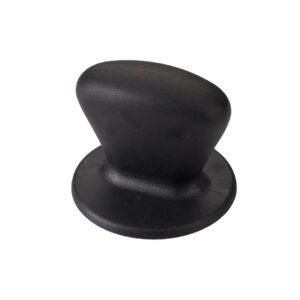
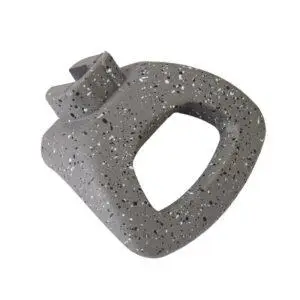
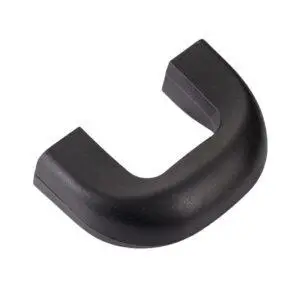
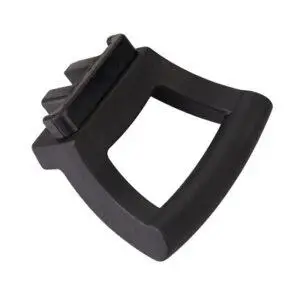
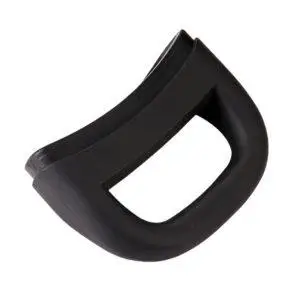
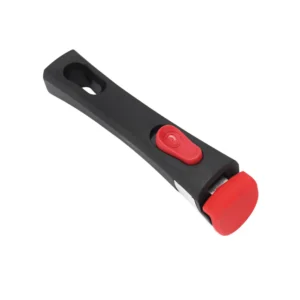
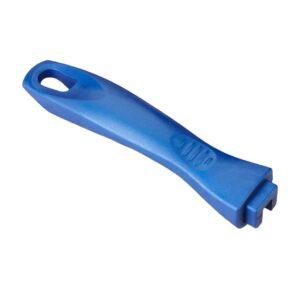
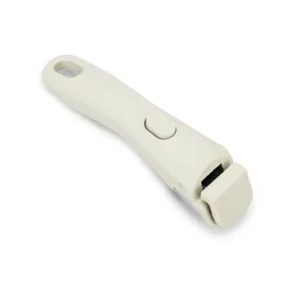
 Bakelite handle Manufacturer in China

Why Choose Bakelite Handles for Your Cookware?
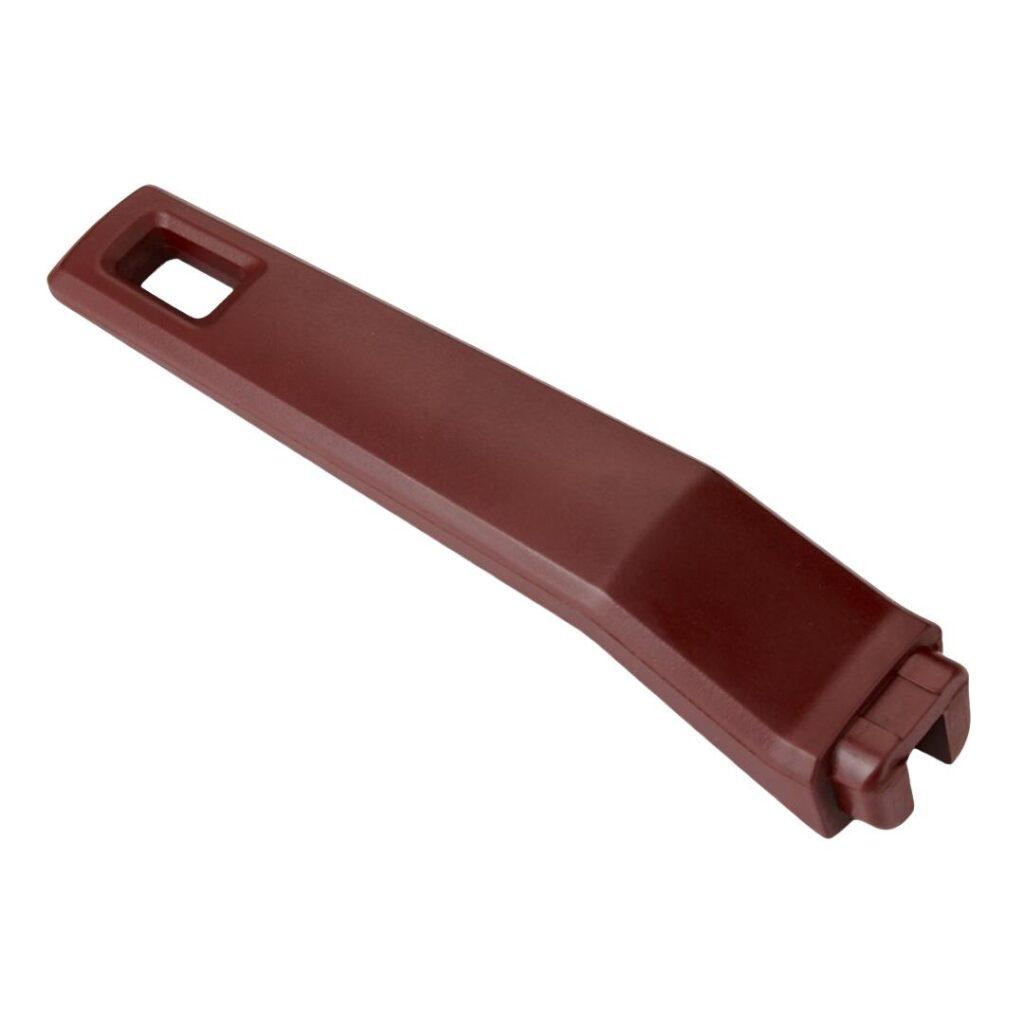
Many frying pans use Bakelite handles because they resist heat, chemicals, and electricity. Bakelite is a durable plastic made from phenolic resin. Its unique properties make it ideal for kitchen tools. This article explains the benefits, limits, and proper care for these handles.
1. High Temperature Resistance
Bakelite’s biggest strength is its heat resistance. These handles stay stable even at very high temperatures. They will not warp, crack, or melt on stove-tops or in ovens.
2. Superior Mechanical Strength
Bakelite handles provide a firm, secure grip. The material is very strong and won’t break under pressure. This makes it a popular choice for heavy cookware, such as cast iron pans.
3. Chemical and Electrical Safety
Bakelite resists most chemicals and oils, so it won’t deteriorate over time. It is also non-conductive. This prevents electrical shocks when you handle kitchen appliances like electric skillets. Plus, Bakelite is lightweight and easy to use.
4. Food Safety and Limitations
Bakelite is not a food-grade material. Therefore, manufacturers must pair it with stainless steel or non-stick coatings to prevent direct contact with food. Also, do not put Bakelite handles in the dishwasher. High heat and harsh detergents will damage the material.
5. Care and Maintenance
Follow these tips to make your handles last longer:
- Cleaning: Use mild soap and water. Avoid abrasive pads that can scratch the surface.
- Chemicals: Stay away from harsh cleaners like bleach or ammonia.
- Heat: Do not expose the handle to high heat for too long.
- Storage: Store handles in a cool, dry place. Avoid stacking heavy objects on them to prevent cracking.
6. An Eco-Friendly Choice
Bakelite is long-lasting, which reduces the need for replacements and cuts down on waste. Since the material is recyclable, it is a sustainable choice for your kitchen.